The relationship between government policy and the labor market is one of the most studied and debated topics in modern economics. Employment levels are not merely the result of “invisible hand” market forces; they are profoundly shaped by the regulatory, fiscal, and monetary environment created by policymakers. Understanding these levers is crucial for businesses, job seekers, and investors alike.
This article explores the multifaceted ways in which policy decisions—ranging from tax adjustments to labor laws—impact the global workforce.
1. Fiscal Policy: The Power of Spending and Taxation
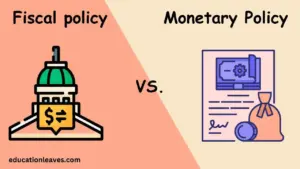
Fiscal policy refers to the use of government spending and taxation to influence the economy. When a government decides to adjust its budget, the ripples are felt immediately in the employment sector.
- Expansionary Fiscal Policy: During economic downturns, governments often increase spending on infrastructure, healthcare, or education. This “injection” creates immediate demand for labor. For instance, a massive green energy project requires engineers, construction workers, and administrative staff.
- Taxation Incentives: Lowering corporate taxes can increase the disposable income of businesses, theoretically allowing them to reinvest in human capital. Conversely, high payroll taxes can act as a “tax on jobs,” making it more expensive for a company to hire an additional worker even if demand is high.
2. Monetary Policy: Interest Rates and Liquidity
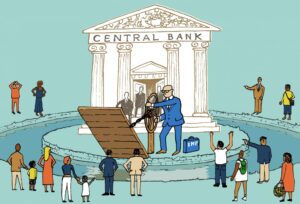
Central banks, such as the Federal Reserve or the European Central Bank, influence employment primarily through interest rates.
When interest rates are low, borrowing costs for businesses drop. This encourages expansion, the purchase of new equipment, and the hiring of new staff to manage increased production. However, if the central bank raises rates to combat inflation, the cost of capital increases. Businesses may freeze hiring or resort to layoffs as they prioritize debt servicing over payroll expansion.
3. Labor Market Regulations
While fiscal and monetary policies influence the demand for labor, regulations define the environment in which hiring happens.
Minimum Wage Laws
The debate over the minimum wage is a classic example of policy trade-offs.
- The Proponent View: Raising the minimum wage increases the purchasing power of low-income workers, which can boost overall consumer demand and lead to “induced” job growth in the retail and service sectors.
- The Skeptic View: Critics argue that if the minimum wage is set significantly above the market equilibrium, it may lead to “disemployment effects,” where small businesses automate roles or reduce hours to keep costs manageable.
Unemployment Benefits
The structure of a country’s safety net also plays a role. Generous unemployment benefits provide a floor for workers, preventing a desperate race to the bottom in wages. However, if benefits are structured poorly, they can inadvertently create a “poverty trap” where the marginal gain of taking a low-paying job is negligible compared to remaining on assistance.
4. Trade Policy and Globalization
In an interconnected world, trade agreements and tariffs are potent employment drivers.
- Free Trade: Policies that encourage free trade often lead to job growth in export-oriented sectors (like technology or high-end manufacturing). However, they can lead to “structural unemployment” in domestic industries that cannot compete with cheaper foreign imports.
- Protectionism: Tariffs may protect local jobs in the short term, but they often lead to higher costs for raw materials, which can eventually hurt employment in the very industries they were meant to save.
5. Education and Skills Training (Supply-Side Policy)
Perhaps the most sustainable way policy affects employment is through human capital investment. Governments that subsidize STEM education, vocational training, and “upskilling” programs ensure that the labor supply matches the technological demands of the era.
As AI and automation reshape the workforce, policy decisions regarding lifelong learning will determine whether the “skills gap” narrows or widens. A workforce that is adaptable is less prone to long-term cyclical unemployment.
6. The “Gig” Economy and Modern Definitions of Work
Recent policy shifts have had to address the rise of the “Gig Economy.” Decisions on whether to classify freelancers as employees or independent contractors have massive implications for employment statistics.
- If policies favor employee classification, workers gain stability and benefits, but the total number of available “gigs” might decrease due to higher costs for platforms.
- If policies favor flexibility, employment numbers might look higher, but the quality and security of those jobs may be lower.
Conclusion: The Delicate Balancing Act
There is no “silver bullet” policy that guarantees full employment. Every decision involves a trade-off:
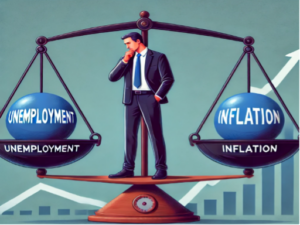
- Growth vs. Inflation: Monetary easing boosts jobs but can devalue currency.
- Protection vs. Efficiency: Tariffs save specific roles but can stifle overall economic dynamism.
- Regulation vs. Flexibility: Strict laws protect workers but can discourage startups from scaling.
The most effective policy environments are those that remain predictable and adaptive. By balancing fiscal stimulus with smart regulation and a commitment to education, governments can create a resilient labor market capable of weathering the inevitable shifts of the 21st-century economy.
Would you like me to create a summary table comparing the employment impacts of different economic schools of thought (e.g., Keynesian vs. Supply-Side)?