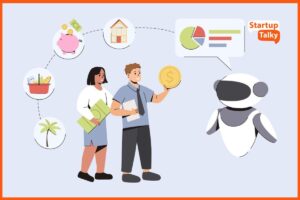
Navigating the world of personal finance can often feel like translating a foreign language. Among the most critical components of this landscape is the loan. Whether you are looking to purchase a home, fund an education, or consolidate debt, understanding the mechanics of borrowing is essential for long-term financial health.
This guide breaks down the complexities of loans, focusing on interest rates, repayment terms, and the strategic benefits of borrowing, all while ensuring you stay on the path toward financial stability.
1. The Anatomy of a Loan
At its core, a loan is a contractual agreement where a lender provides a specific amount of money to a borrower, who agrees to pay it back over time, usually with interest. However, not all loans are created equal. They generally fall into two categories:
- Secured Loans: These require collateral (like a car or a house). If the borrower defaults, the lender can seize the asset. Because of this safety net, interest rates are typically lower.
- Unsecured Loans: These are based solely on your creditworthiness (like personal loans or credit cards). No collateral is needed, but the risk to the lender is higher, resulting in higher interest rates.
2. Deciphering Interest Rates
The interest rate is essentially the “rent” you pay for using someone else’s money. Understanding how it is calculated and applied is the difference between a manageable debt and a financial burden.
Fixed vs. Variable Rates
- Fixed Rates: The interest rate remains the same throughout the life of the loan. This provides predictability, making it easier to budget for monthly payments.
- Variable (Floating) Rates: These rates fluctuate based on market benchmarks. While they might start lower than fixed rates, they carry the risk of increasing over time.
APR: The Real Cost of Borrowing
Many borrowers make the mistake of looking only at the “interest rate.” However, the Annual Percentage Rate (APR) is the more accurate figure. The APR includes the interest rate plus any additional fees (like origination fees or closing costs).
Pro Tip: Always compare loans based on the APR rather than the base interest rate to see the true cost of the credit.
3. Understanding Loan Terms
The “term” refers to the duration you have to repay the loan. This period significantly impacts both your monthly cash flow and the total amount of interest paid over time.
Short-Term vs. Long-Term
- Short-Term Loans: These usually have higher monthly payments but lower total interest costs. You get out of debt faster.
- Long-Term Loans: These offer lower, more affordable monthly payments, but because the interest has more time to accrue, you end up paying significantly more in the long run.
The Amortization Process
Amortization is the process of spreading out loan payments over time. In the early stages of a loan, a larger portion of your payment goes toward interest. As the balance decreases, a larger portion is applied to the principal (the original amount borrowed).
4. The Benefits of Strategic Borrowing
While debt is often viewed negatively, “good debt” can be a powerful tool for wealth creation and stability when managed correctly.
- Building Credit History: Consistently making on-time loan payments is the most effective way to boost your credit score, which unlocks better rates for future needs.
- Asset Acquisition: Loans allow individuals to purchase appreciating assets, such as real estate, which would otherwise take decades to save for in cash.
- Debt Consolidation: By taking out a low-interest personal loan to pay off high-interest credit card debt, you can save thousands in interest and simplify your monthly finances.
- Education and Growth: Student loans are an investment in “human capital,” often leading to higher lifetime earning potential.
5. Factors That Influence Your Loan Approval
Lenders don’t just hand out money; they assess risk using the Five C’s of Credit:
- Character: Your credit history and track record.
- Capacity: Your debt-to-income (DTI) ratio—can you afford the payments?
- Capital: Your personal investment or savings.
- Collateral: Assets available to secure the loan.
- Conditions: The purpose of the loan and the current economic climate.
6. Common Pitfalls to Avoid
To ensure your loan remains a benefit rather than a burden, avoid these common mistakes:
- Ignoring the Fine Print: Always check for prepayment penalties. Some lenders charge you a fee if you pay off the loan early.
- Borrowing More Than Needed: Just because a bank approves you for $\$50,000$ doesn’t mean you should take it. Only borrow what is necessary for your specific goal.
- Focusing Only on Monthly Payments: Low monthly payments can hide a very expensive loan. Always look at the Total Cost of Loan.
Conclusion
A loan is a financial tool—neither inherently good nor bad. Its value depends entirely on the hands that hold it. By understanding the nuances of interest rates, choosing the right terms, and recognizing the strategic benefits, you can use borrowing as a bridge to reach your financial milestones.
Knowledge is your best defense against predatory lending and your best offense for building a prosperous future. Before signing any agreement, calculate the costs, assess your budget, and ensure the loan aligns with your long-term goals.