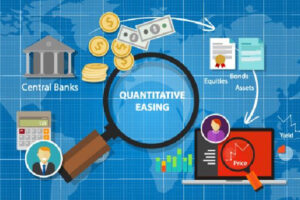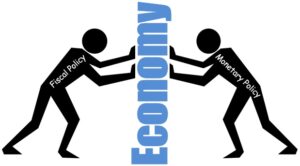
In the complex machinery of the global economy, few levers are as powerful—or as closely watched—as the interest rates set by central banks. Whether it is the Federal Reserve in the United States, the European Central Bank, or the Bank of England, these institutions use interest rates as a primary tool to manage inflation and stabilize the economy.
However, a “hike” is never just a number on a spreadsheet. It is a seismic shift that alters the financial landscape for everyone, from the first-time homebuyer to the multinational corporation. As we navigate the economic climate of 2026, understanding these mechanics is essential for making informed financial decisions.
1. The Core Mechanism: Why Do Rates Rise?
Before diving into the effects, it is crucial to understand the “why.” Central banks typically raise interest rates to cool down an overheating economy. When inflation—the rate at which prices for goods and services rise—exceeds a healthy target (usually around 2%), central banks intervene.
By making it more expensive to borrow money, they effectively reduce the amount of cash circulating in the economy. This decrease in demand helps slow down price increases. While effective at curbing inflation, this process creates a “tightening” effect that felt across all sectors.
2. The Impact on Consumers: A Double-Edged Sword
For the average consumer, an interest rate hike is most visible in the cost of debt. However, it also presents a rare silver lining for those with significant savings.
The Burden of Debt
Most consumers rely on credit for major life milestones. When rates rise:
- Mortgages: New homebuyers face higher monthly payments, reducing their purchasing power. For those with adjustable-rate mortgages (ARMs), monthly costs can spike overnight, straining household budgets.
- Credit Cards: Since most credit cards have variable annual percentage rates (APRs), the cost of carrying a balance increases immediately. This leaves less “disposable income” for everyday spending.
- Auto Loans: Higher rates make financing a vehicle more expensive, often leading consumers to delay purchases or opt for used models.
The Saver’s Advantage
On the flip side, interest rate hikes are a boon for savers. Banks typically increase the yields on High-Yield Savings Accounts (HYSAs) and Certificates of Deposit (CDs). For retirees or individuals living on fixed incomes, this provides a higher return on their capital without the volatility of the stock market.
3. The Impact on Businesses: Strategy and Survival
Businesses operate on a different scale than consumers, but they are equally sensitive to the cost of capital. A higher-rate environment forces a fundamental shift in corporate strategy.
Increased Cost of Capital
Most businesses use debt to fund operations, expansion, or research and development (R&D). When interest rates rise, the “hurdle rate”—the minimum return a company needs to justify a new project—also goes up.
- Reduced Investment: Companies may cancel or postpone plans to build new factories or launch new product lines because the financing is too costly.
- Refinancing Risks: Many firms have “zombie debt” or loans that need to be “rolled over.” If a company took a loan at 3% and must now refinance it at 7%, their interest expenses could double, eating into profit margins.
Shifting Consumer Demand
Businesses also feel the indirect pinch of reduced consumer spending. If households are paying more for their mortgages and credit cards, they have less to spend on retail, travel, and luxury goods. This leads to lower revenue for B2C (business-to-consumer) companies, which can eventually trigger hiring freezes or layoffs.
4. Sector-Specific Consequences
Not all industries are affected equally by interest rate hikes. Understanding these nuances is key for investors and professionals alike.
| Sector | Impact Level | Primary Reason |
| Real Estate | High | Extremely sensitive to mortgage rates and construction loan costs. |
| Technology | High | Many tech firms rely on future growth and heavy borrowing; higher rates discount the value of future earnings. |
| Banking | Medium/High | Banks often benefit from wider “net interest margins” (the difference between what they pay savers and charge borrowers). |
| Utilities | Low | As essential services, demand remains stable even if borrowing costs for infrastructure increase. |
5. Navigating a High-Rate Environment
In a landscape defined by higher borrowing costs, both individuals and business leaders must adapt.
For Consumers:
- Debt Prioritization: Focus on paying down high-interest variable debt, such as credit cards, before rates climb further.
- Locking in Rates: If you are planning a major purchase, consider fixed-rate financing to protect against future hikes.
- Reviewing Savings: Ensure your cash is in an account that is actually passing on the higher rates to you.
For Businesses:
- Cash Flow Management: Prioritize liquidity. In a high-rate environment, “Cash is King.”
- Operational Efficiency: Look for ways to cut overhead to offset higher interest expenses.
- Strategic Deleveraging: Use periods of strong revenue to pay down existing debt and reduce exposure to interest rate volatility.
Conclusion: The Path Forward
Interest rate hikes are a blunt instrument used to solve a complex problem: inflation. While they successfully slow down price increases, they do so by intentionally making life more expensive in the short term.
As we look toward the remainder of 2026, the global economy remains in a state of delicate balance. For consumers and businesses alike, the key to resilience lies in flexibility. By understanding the mechanics of interest rates, you can move from being a passive observer of the economy to an active participant in your own financial security. Whether you are adjusting a corporate budget or a household ledger, staying informed is the best hedge against uncertainty.