In a move signaling growing concerns over the pace of economic expansion, the Bank of England (BoE) has announced a reduction in its key interest rate to 4.25%. This 25-basis-point cut, down from the previous rate of 4.5%, comes as policymakers grapple with mounting evidence of a slowdown in economic activity, both domestically and globally. The decision, while anticipated by some market analysts, underscores the delicate balancing act central banks face in navigating inflationary pressures against the risk of recession.
The Monetary Policy Committee (MPC), the body within the Bank of England responsible for setting interest rates, cited a confluence of factors influencing its decision. Recent economic data have painted a less optimistic picture than previously projected, with indicators pointing towards weakening consumer spending, a cooling housing market, and a deceleration in business investment. Globally, persistent geopolitical tensions, supply chain adjustments, and moderating growth in major economies have further clouded the outlook for the UK.
Decoding the Decision: Why the Cut?
Several key reasons likely underpinned the MPC’s decision to lower borrowing costs:
- Slowing Economic Growth: The most prominent factor is the discernible slowdown in the UK economy. High inflation, while showing signs of easing, has continued to erode household purchasing power, leading to reduced consumer demand. Businesses, facing higher input costs and uncertain demand, are also becoming more cautious with their investment plans. The latest GDP figures, while still showing positive growth, indicated a significant deceleration compared to earlier periods.
- Easing Inflationary Pressures: While inflation remains above the Bank of England’s target of 2%, recent data suggest that the peak may have passed. Falling energy prices and a moderation in some other commodity prices have contributed to this easing. The MPC likely assessed that the risk of entrenched high inflation is receding, allowing for a more accommodative monetary policy stance.
- Global Economic Uncertainty: The interconnected nature of the global economy means that headwinds elsewhere inevitably impact the UK. Slowing growth in key trading partners, coupled with ongoing geopolitical instability, creates a less favorable environment for UK exports and overall economic activity. The interest rate cut can be seen as a preemptive measure to cushion the domestic economy against these external pressures.
- Housing Market Adjustment: The UK housing market, which experienced a significant boom in recent years, is now undergoing a period of adjustment in response to higher interest rates. A further tightening of monetary policy could exacerbate this slowdown, potentially leading to negative consequences for household wealth and the broader economy.
- Labor Market Dynamics: While the labor market has remained relatively tight, there are emerging signs of a gradual cooling. The unemployment rate has edged up slightly, and the number of job vacancies has started to decline. The MPC will be closely monitoring these trends, as a significant weakening in the labor market could further dampen economic activity.
Impact and Implications of the Rate Cut
The Bank of England’s decision to lower interest rates will have a range of effects across the economy:
- Borrowing Costs: The most immediate impact will be on borrowing costs for individuals and businesses. Variable-rate mortgages and loans will likely become cheaper, potentially providing some relief to households and encouraging investment.
- Consumer Spending: Lower borrowing costs could stimulate consumer spending as individuals find it cheaper to finance purchases. However, the extent of this impact will depend on consumer confidence and the overall economic outlook.
- Business Investment: Reduced borrowing costs could incentivize businesses to invest in new equipment and expand operations. However, businesses will also weigh these lower costs against the backdrop of uncertain demand.
- Housing Market: The rate cut could provide some support to the housing market by making mortgages more affordable, potentially stabilizing prices and activity.
- Exchange Rate: A lower interest rate could lead to a depreciation of the British pound, as it becomes less attractive to international investors. A weaker pound could boost exports but also increase the cost of imports, potentially adding to inflationary pressures.
- Savings: Conversely, lower interest rates will likely reduce the returns on savings accounts and other fixed-income investments.
Navigating the Path Ahead: Challenges and Considerations
The Bank of England’s decision is not without its challenges and potential risks. While aimed at supporting economic growth, lowering interest rates could reignite inflationary pressures if demand picks up too quickly or if supply-side constraints persist. The MPC will need to carefully monitor economic data and be prepared to adjust its policy stance if necessary.
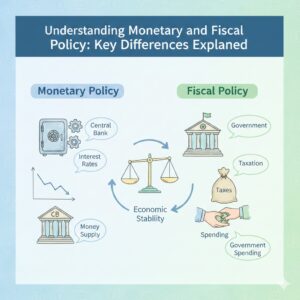
Furthermore, the effectiveness of monetary policy in the current environment is subject to debate. Fiscal policy, including government spending and taxation, will also play a crucial role in shaping the economic recovery. Coordinated efforts between the central bank and the government will be essential to navigate the complex economic landscape.
Market Reaction and Future Outlook
Financial markets reacted to the Bank of England’s announcement with a degree of measured optimism. While the rate cut was largely anticipated, the accompanying statement from the MPC will be closely scrutinized for clues about the future path of monetary policy. Investors will be particularly interested in any forward guidance regarding further rate adjustments and the central bank’s assessment of the economic outlook.
Looking ahead, the Bank of England faces a delicate balancing act. It must strive to support economic growth and prevent a deep recession while remaining vigilant against the risk of persistent inflation. The effectiveness of this interest rate cut, and any subsequent policy actions, will be crucial in determining the trajectory of the UK economy in the coming months and years. The central bank’s decisions will continue to be a key focus for businesses, consumers, and investors alike as they navigate the evolving economic landscape.